
Mitsubishi Dashboard Symbols and Meanings
December 10, 2025
Categories:
What Your Dashboard Warning Lights Are Telling You
Modern Mitsubishi vehicles are equipped with clever onboard systems that continually monitor your engine, brakes, tyres, electronics and overall vehicle health. Those dashboard symbols are not random lights. They are essential indicators designed to keep you safe, alert you to potential issues and help prevent costly repairs. The challenge is that most drivers are not sure which warning lights mean stop immediately and which ones simply need a routine check.
This guide breaks down the most common and most important Mitsubishi dashboard lights, grouped clearly so you can find what you need fast. If a light persists or something feels out of place, the team at Zupps Mt Gravatt Mitsubishi can inspect your vehicle and help prevent further damage.
How to Read Mitsubishi Dashboard Lights
Dashboard lights follow a simple colour system that tells you how urgently you need to act.
Red lights
These require immediate action. They may relate to the braking system, engine temperature, oil pressure or other critical components. Driving further can lead to serious safety risks or engine damage.
Yellow lights
These warn of a potential issue or malfunction. Your vehicle is usually still safe to drive for a short period, but the problem needs attention soon.
Green or blue lights
These are notifications, not warnings. They usually mean a feature is active, such as high beams, headlights or cruise control.
Your owner’s manual provides full definitions, but the guide below covers the symbols you are most likely to see in your Mitsubishi.
Common Mitsubishi Dashboard Symbols and What They Mean
To make this guide easy to use, the symbols are grouped by system. This mirrors the structure we used successfully in your previous car brand blogs and makes the content far more useful for readers.
Engine and Powertrain Alerts

Check Engine Light
The check engine light is part of your vehicle’s onboard diagnostics system. It can activate due to sensor faults, emissions issues, misfires or something as simple as a loose fuel cap. A steady light signals a non-urgent malfunction, while a flashing light means the engine may be misfiring and requires immediate action. Ignoring this light can lead to poor fuel efficiency, rough running and long-term engine damage.

Oil Pressure Warning Light
This light appears when the engine does not have enough oil pressure. Causes include low oil level, faulty pumps or restricted oil flow. If the symbol illuminates, pull over immediately and switch the engine off. Check the oil levels and top up if required. If the light persists, seek professional assistance to avoid significant engine damage.

Coolant Temperature Warning Light
This symbol indicates overheating. Pull over safely and let the engine cool before checking coolant levels. Never open the radiator cap while the engine is hot, as it can lead to burns or coolant spray. Overheating can cause warped components, leaks and major engine problems if ignored.
Powertrain Fault Light (where applicable)
Some Mitsubishi models may show a generic powertrain or engine warning symbol. This indicates a fault in the engine or transmission system. The vehicle may enter a protective mode that limits power. Book an inspection promptly.
Outlander PHEV Specific Alerts
Hybrid models may show unique indicators for battery management, regenerative braking and EV system malfunctions. If an EV system warning appears, avoid driving long distances and have the vehicle checked promptly.
Braking, Traction and Stability Symbols

ABS Warning Light
This symbol indicates a fault in the anti-lock braking system. Standard braking will continue, but ABS support may be unavailable during sudden stops or slippery conditions. The vehicle’s stability control system may also be affected. Have the ABS system inspected promptly.

Brake System Warning Light
A red brake light may indicate low brake fluid, worn pads or an engaged handbrake. If it comes on while driving, pull over and seek assistance. Braking issues pose major safety risks.

Traction Control Light
This symbol appears when the vehicle’s stability control system is actively adjusting traction. A constant light may indicate a fault in the system. Traction control improves grip during wet or slippery driving, so faults should be checked soon.

Traction Control OFF Indicator
Some drivers turn off traction control accidentally. This light simply means the system has been disabled. Switch it back on unless you have a specific reason to drive with it off, such as freeing a stuck vehicle.
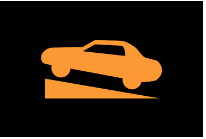
Hill Start Assist Warning
If this light appears, the hill start system may be unavailable. You may experience roll back on steep inclines. Have the system inspected.

Parking Brake Light
A red circle with an exclamation mark indicates the parking brake is engaged. If it stays on after releasing the brake, it may be a sign of a hydraulic issue.
Tyres, Steering and Vehicle Control Alerts

Tyre Pressure Monitoring System (TPMS) Light
This light alerts you to low tyre pressure. Low pressure affects fuel efficiency, handling and braking performance. Inflate tyres to the proper tyre pressure listed on the door pillar. If the light persists, there may be a puncture or sensor fault.

Power Steering Warning Light
If this light appears, the power steering system may not be providing proper assistance. You may feel the steering become heavier. Electric or hydraulic faults can trigger this warning.
Stability Control Fault Light
A stability control system fault means the vehicle may not correct skids or loss of traction effectively. This should be inspected soon.


4WD and AWD System Warning Light
Triton and Pajero Sport drivers may see 4WD warning symbols when there is a fault in the transfer case, differential system or when the vehicle cannot shift between drive modes. These systems are essential for off-road control and should be checked promptly.

DPF Warning Light (Diesel Models)
This light indicates that the diesel particulate filter is becoming full. A regeneration drive at highway speeds may clear it, but persistent warnings need attention. Ignoring a DPF issue can lead to reduced power and costly repairs.

Water in Fuel Warning Light (Diesel Models)
This alert means water has been detected in the fuel filter. It requires immediate attention to avoid injector damage.
Safety System Warning Symbols

Airbag Warning Light
If the airbag light illuminates, there may be a fault in the airbag or seatbelt pretensioner system. Safety systems may not activate during an accident. Book a service appointment immediately.

Seatbelt Reminder Light
This symbol reminds you that a seatbelt is unfastened. Some models will show which specific seat is affected.
Child Seat ISOFIX Warning Light
Certain Mitsubishi models may show a symbol if the ISOFIX system is not latched correctly.

Forward Collision Mitigation Warning
If equipped, this light alerts you to faults in the collision mitigation system. The system may not detect vehicles ahead accurately.


Lane Departure Warning Light
This symbol indicates that the lane departure system is active or has detected an issue. If it stays on constantly, the system may need inspection.


Blind Spot Warning Indicator
Some models display an alert when the blind spot monitoring system is unavailable or malfunctioning.
Electrical and Battery System Lights

Battery Warning Light
This light means the battery is not charging correctly. Causes include alternator issues, damaged battery connections or wiring faults. The vehicle may stall if the battery depletes completely.

Charging System Warning
Some models use a dedicated charging system symbol. This alerts you to faults in the alternator or charging network.

Immobiliser Warning Light
If the key is not recognised, the vehicle may not start. This light appears when the immobiliser detects an issue with the key or security system.

Keyless Operation System Warning
Outlander and ASX models with keyless systems may show a warning if the system cannot detect the key or if there is a fault.
Lighting and Visibility Indicators

High Beam Indicator
A blue symbol that simply confirms high beams are active.

Fog Light Indicator
Front and rear fog lights have separate indicators. These symbols are informational and not warnings.

Headlight Malfunction Warning
Some modern Mitsubishi models may display a warning if a headlight bulb or LED module fails.

Washer Fluid Low Warning
This symbol indicates low washer fluid. Visibility can be affected if ignored.
Doors, Cabin and General Alerts

Door or Boot Ajar Light
This light indicates a door, bonnet or boot is not properly closed. It is simple but important for safety.
Fuel Cap Warning
If the fuel cap is not secured, the system may trigger a warning that can also cause the check engine light to activate.

Low Fuel Warning Light
A yellow fuel pump symbol appears when you are running low. While not urgent, refuel soon to avoid drawing sediment into the system.

Service Reminder Light
This light alerts you when scheduled maintenance is due. Regular maintenance is essential for preventing potential issues and keeping the vehicle in top condition.
Why Dashboard Lights Matter for Long-Term Vehicle Health
Dashboard lights help protect your Mitsubishi by alerting you to developing problems before they become serious. Responding early helps maintain fuel efficiency, prevents costly repairs and keeps your vehicle running smoothly. Regular maintenance is the most effective way to protect engine components, brakes, tyres and electrical systems.
What to Do If a Dashboard Light Persists
You can check simple items at home such as tyre pressure, oil levels and fuel cap placement. If a light persists or multiple lights appear together, it may indicate a deeper issue. Seek professional assistance and avoid driving long distances until the problem is diagnosed. A quick inspection can prevent further damage.
When to Book an Inspection at Zupps Mt Gravatt Mitsubishi
If you are unsure about any warning light or if the light reappears after basic checks, booking a service appointment is the safest option. Our Mitsubishi-trained technicians use manufacturer-specific diagnostic tools to identify faults accurately. This ensures your vehicle remains safe, reliable and protected for the long term.
Mitsubishi Dashboard Symbols and Meanings – FAQs
What does the exclamation mark warning light mean in a Mitsubishi?
The exclamation mark symbol can refer to tyre pressure, the parking brake, or general system notifications, depending on the icon’s shape and colour. If the symbol appears inside a circle or tyre outline, address it promptly to avoid safety issues or unnecessary wear.
Is it safe to drive with a warning light on?
It depends on the symbol. Red alerts require immediate attention, while yellow warnings indicate a developing problem. If you are unsure, have the vehicle inspected.
Why do multiple warning lights illuminate at once?
Low battery voltage, sensor faults or electrical issues can trigger multiple lights. A diagnostic scan will identify the cause.
Can low tyre pressure trigger other symbols? [H4]
Yes. Low tyre pressure affects handling and stability, which may activate related control system lights.
Why does my check engine light turn on and off?
Some faults are intermittent. Even if the light disappears, the vehicle may still need attention to avoid long-term issues.
Do Mitsubishi dealerships offer more accurate diagnostics?
Yes. Dealership technicians use Mitsubishi-specific diagnostic equipment that provides more accurate information than generic scanners.
What should I do if a dashboard light appears on a long drive?
Pull over safely, check basic items such as oil levels or tyre pressure and avoid continuing if the light persists.
Are warning lights covered under the Mitsubishi factory warranty?
Faults caused by manufacturing issues may be covered. Wear and tear or maintenance-related faults are generally not.
Time For A Service? |
Used Cars |
Have A Question? |


